When One Half of You Is Celebrated and the Other Is Erased: The Mental Health Cost of Racial Idealization for Biracial Individuals
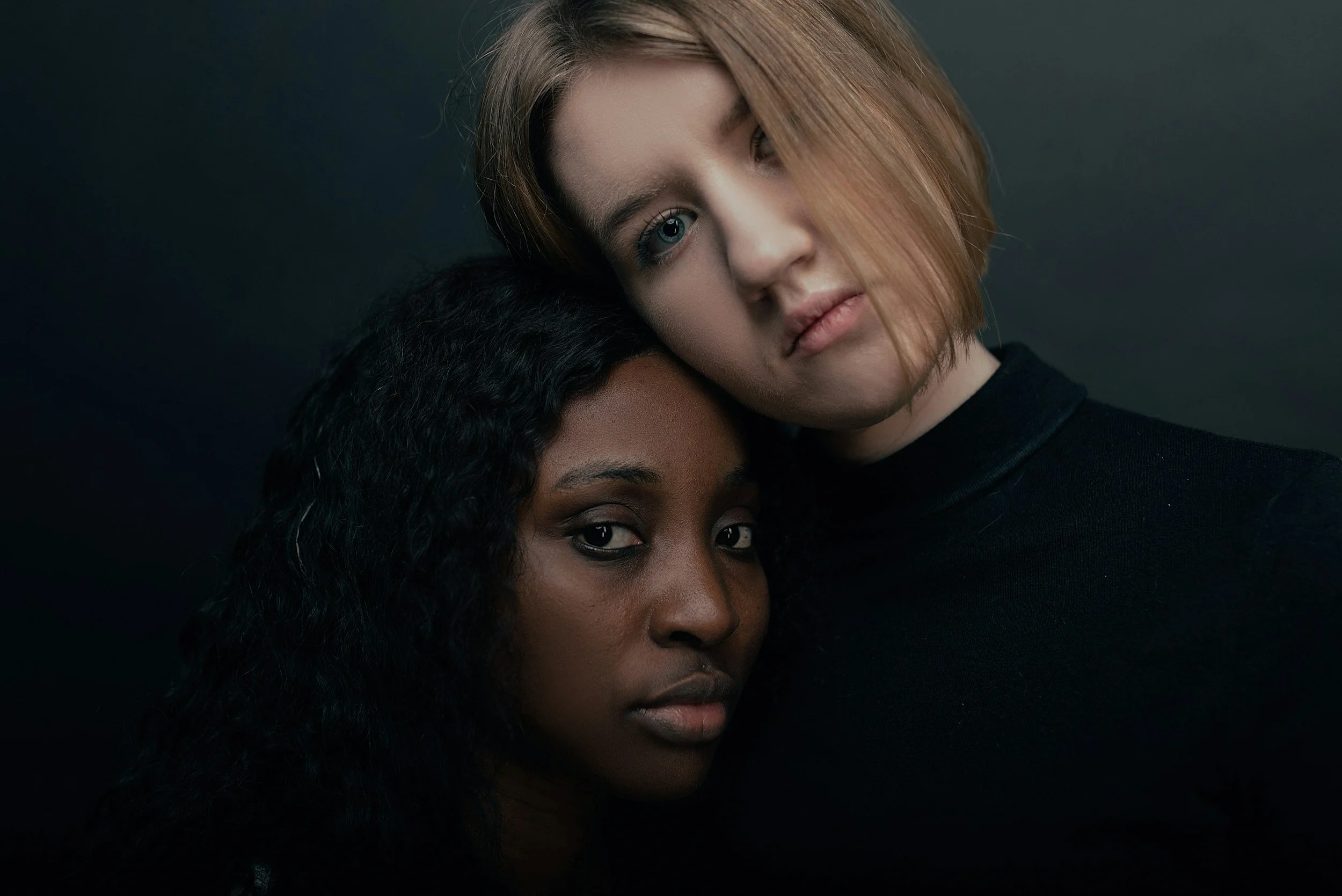
In a city as richly layered as Manhattan, where a single subway car might hold passengers from a dozen different ethnic backgrounds — Dominican and Korean, Nigerian and Irish, Puerto Rican and South Asian — questions of racial identity are woven into the fabric of everyday life. For biracial individuals, that complexity is not just cultural or social. It is deeply personal, and often, deeply psychological.
When one racial identity is consistently idealized — seen as more beautiful, more successful, more acceptable — while the other is minimized, stigmatized, or erased, the psychological cost can be profound. This dynamic plays out in families, schools, workplaces, and therapy offices across New York City every day. And for many biracial New Yorkers, the internal conflict it creates goes unnamed for years.
The Landscape of Biracial Identity in NYC
New York City is one of the most ethnically diverse places on earth. In neighborhoods like Washington Heights, Jackson Heights, Flushing, the South Bronx, and Crown Heights, multiracial families are common. Yet even here, in a city that prides itself on diversity, racial hierarchies persist. Some groups are romanticized. Others are stereotyped or dismissed. And biracial individuals who straddle these lines often find themselves caught between two worlds — celebrated for one side of their heritage while the other is quietly (or not so quietly) diminished.
According to the U.S. Census Bureau, the multiracial population in New York is among the fastest-growing demographic groups in the country. Clinicians in Manhattan, Brooklyn, and the surrounding boroughs report increasing numbers of multiracial and biracial clients seeking therapy specifically around identity-related distress. This is not a fringe issue. It is a real and growing mental health concern in our city.
What Is Racial Idealization — and Why Does It Harm?
Racial idealization refers to the practice — often unconscious — of placing one racial or ethnic group on a pedestal while devaluing another. In many mixed-race families, this plays out when one parent’s race is treated as exotic, aspirational, or “better,” while the other’s is seen as a liability or source of shame. Sometimes it comes from extended family. Sometimes from peers. Sometimes from the broader culture itself — media, advertising, beauty standards, or social hierarchies.
For biracial individuals, this is not an abstract social dynamic. It lands inside the body, in the family home, in the mirror. When half of who you are is consistently treated as less-than, you cannot simply choose to ignore it. You carry both sides with you. And when one side is celebrated while the other is dismissed, the internal conflict can be destabilizing.
This dynamic is not unique to any single racial pairing. It shows up in Black-White biracial families, Latino-White families, Asian-Black families, and countless other combinations. What they share is a cultural context — whether local, familial, or societal — that assigns unequal value to different racial identities.
The Psychological Impact: What the Research and Clinicians Know
Research on biracial identity and mental health has grown substantially in recent years. Studies consistently show that biracial individuals face unique psychological stressors that monoracial individuals do not encounter in the same way. These include pressure to “choose” one identity, being exoticized or tokenized, experiencing rejection from both racial communities, and navigating spaces where their appearance does not match others’ expectations.
When idealization and devaluation are specifically in play, the impact is even more complex. Here are some of the most common psychological responses:
Fragmented Identity
When one racial identity is consistently uplifted and the other devalued, biracial individuals may unconsciously split their sense of self. They might feel “whole” only when presenting one identity and shameful or hidden when the other emerges. Over time, this can make it difficult to develop an integrated, stable sense of who they are. Clinicians call this identity fragmentation — and it is a significant risk factor for depression, anxiety, and relational difficulties.
Internalized Racism
When a child grows up hearing — directly or indirectly — that one of their racial identities is inferior, they often absorb those messages. This is internalized racism: the process by which members of a marginalized group begin to believe and act on the negative messages directed at their own race. For biracial individuals, this can be especially painful because it means rejecting a part of themselves — often a parent, a grandparent, a community.
Racial Impostor Syndrome
Many biracial individuals report feeling like they are “not enough” of either race to belong fully in either community. They may feel like frauds when claiming one identity, or dismissed when claiming both. This racial impostor syndrome is amplified when one racial community is idealized and pressures biracial individuals to pass — or to prove — their belonging in ways monoracial peers are never asked to do.
Anxiety and Hypervigilance
Constantly navigating which version of yourself is safe or acceptable in a given room takes a toll. Biracial individuals who have grown up in environments where one racial identity is devalued often develop a kind of hypervigilance — constantly monitoring social cues, adjusting their presentation, anticipating rejection. This chronic vigilance is exhausting and is closely linked to generalized anxiety disorder, social anxiety, and burnout.
Depression and Grief
There is often a grief component that goes unacknowledged. The loss of a full connection to one’s heritage. The loss of being seen fully. The mourning of an identity that could have been, had the circumstances been different. For many biracial individuals, this grief sits beneath the surface for years — sometimes decades — before it is named and addressed in therapy
The Family System and Intergenerational Messaging
Much of this idealization and devaluation begins at home. Families carry unspoken racial hierarchies passed down across generations. A grandparent who immigrated from one country may have internalized colonial messages about which skin tones are desirable. A parent who grew up in a predominantly white environment may unconsciously favor the markers of whiteness in their children. A family that has experienced racial trauma may respond by distancing from the race that was the target of that trauma.
These messages are rarely spoken aloud. They live in the praise that comes when a child “looks more” like the favored race. In the silence when the other identity is brought up. In the comments about hair, skin, features, or language. Children absorb all of it — and it shapes how they feel about their own bodies, their own worth, and their own belonging in the world.
For therapists working with biracial individuals in New York City, exploring these family-of-origin messages — and the intergenerational trauma that underlies them — is often a central part of the healing work.
What Healing Can Look Like
Healing from racial idealization and identity fragmentation is possible — and it often happens in the context of a safe, culturally competent therapeutic relationship. Here is what that process can involve:
Naming the dynamic. Many biracial individuals have never had words for what they experienced growing up. Therapy provides language — racial idealization, internalized racism, identity fragmentation — that helps clients understand their own history and symptoms in a new light.
Grieving what was lost. Healing often requires mourning the parts of one’s racial identity that were suppressed or shamed. This grief is real and it deserves space.
Reconnecting with devalued heritage. This might look like learning a language, exploring cultural traditions, building relationships within a racial community, or simply allowing oneself to say “this is mine too.”
Building an integrated identity. The goal is not to choose one side over the other, but to hold both — fully and without shame. This integration work is central to multicultural and identity-affirming therapy approaches.
Addressing trauma. When racial idealization is tied to family trauma, abuse, or neglect, deeper trauma-focused work is often needed. EMDR, somatic therapy, and attachment-based approaches can all be valuable in this process.
A Note on Colorism, Privilege, and Complexity
It is important to name that not all biracial experiences are the same. Colorism — the preference for lighter skin tones within racial and ethnic communities — plays a significant role in how biracial individuals are perceived and treated. A biracial person who appears lighter-skinned may move through the world with more racial privilege, even as they experience deep internal conflict about their identity. A biracial person who presents as darker may face anti-Black racism or other forms of discrimination while also feeling the loss of connection to lighter-skinned heritage.
Holding this complexity — privilege and pain existing simultaneously — is part of what makes the biracial experience so nuanced. Good therapy makes space for all of it, without minimizing or collapsing the contradictions.
You Don’t Have to Choose
If you are biracial and you have spent your life feeling like you had to pick a side — this is for you. You are not too much of one thing and not enough of another. You are not a contradiction. You are whole.
The messages that told you otherwise were never about truth. They were about fear, history, and unhealed pain passed from one generation to the next. In therapy, you can begin to untangle those messages from your own sense of self — and reclaim the full breadth of who you are.
New York City is full of people doing exactly this work — navigating the intersections of race, culture, family, and identity in therapy offices across Manhattan, the Bronx, Brooklyn, Queens, and beyond. You are not alone in this.
Looking for a Therapist in Manhattan Who Understands Multicultural Identity?
Vanessa Lopez, LCSW-R is a trauma-informed therapist serving clients across New York, including those navigating complex questions of racial identity, multicultural family dynamics, and intergenerational trauma. If you are biracial, mixed-race, or a person of color working through identity-related pain — you deserve a therapist who truly gets it.
Schedule a free consultation today and take the first step toward healing all of who you are.